Candle Fire Safety

Candle fire safety
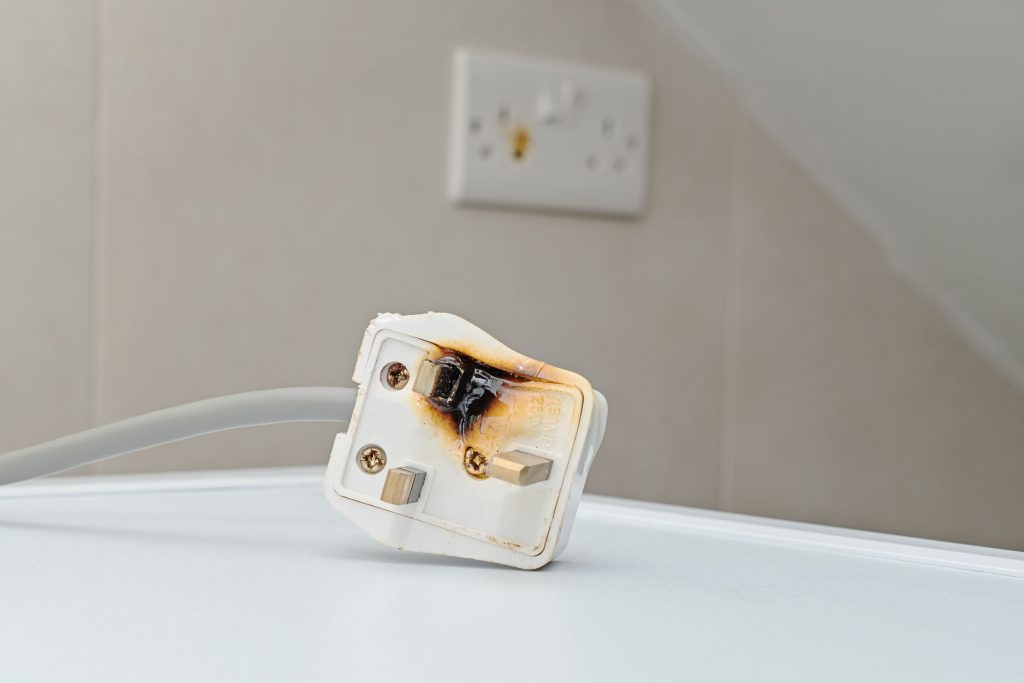
Candles are commonly used in homes throughout the year, whether for decoration, religious observance, or just general everyday use. While they can add atmosphere, they also introduce an open flame into living spaces, which increases the risk of accidental fires if not used carefully.
Fire and rescue service data shows that candle-related fires occur regularly in UK homes (accounting for 2% of all fires), often due to candles being left unattended or placed too close to flammable materials. Understanding how to use candles safely helps reduce these risks and allows you to enjoy them with greater confidence.
Quick summary: candle fire safety at home
- Never leave candles unattended or burning overnight
- Keep candles away from curtains, soft furnishings, and decorations
- Use stable, heat-resistant holders on flat surfaces
- Keep candles out of reach of children and pets
- Install working smoke alarms on every level of your home
- Extinguish candles fully before leaving a room or going to sleep
Burning Candles Safely In The Home
There are things you can do to help minimise the fire safety risks associated with using candles.
Before Lighting Candles
- Use a suitable candle holder made to withstand the heat of a burning candle and ensure the candle is placed on a heat-resistant surface. Tealights without a holder can melt plastic surfaces like the edge of a bathtub.
- Light your candles with long matches or long reach lighter to avoid burning yourself or dropping burnt-out matches.
- Trim the wick and check there is no debris in the wax pool before lighting, as this can add fuel to the candle and cause the flame to flare up.
When Burning Candles
- Never leave lit candles unattended, and remember to extinguish any flames before leaving a room or going to sleep.
- Burn candles in a well-ventilated room away from draughts, vents or air currents to prevent flare-ups and uneven burning.
- Never burn candles around flammable objects such as curtains and clothing to avoid the chance of them coming in contact with naked flames.
- Keep lit candles out of reach of children and pets as they may accidentally knock them over or get injured.
- Put them out if the flame becomes too high or flickers repeatedly, as this means there is too much air or fuel.
- Do not burn a candle longer than the recommended use time, as carbon sticks to the wick and can cause the candle flame to grow dangerously large and produce smoke and soot.
- Do not burn multiple candles close together as this can cause the flames to flare.
- If your candle is flaring, let it cool for at least two hours and trim the wick before you relight it.
Common causes of candle fires in the home
| Cause | Why does it increase the risk |
| Leaving candles unattended | Fires can spread quickly without warning |
| Candles near curtains or decorations | Flames can ignite fabrics easily |
| Unstable or unsuitable holders | Candles can tip and spill hot wax or flames |
| Burning multiple candles together | Heat builds up and causes flare-ups |
| Overlong wicks | Larger flames and excess soot increase fire risk |
| Burning candles overnight | Fires often start while occupants are asleep |
Putting Out Burning Candles
- Always check candles are completely out before leaving a room.
- Use a candle snuffer to extinguish your candle safely, they make sure the candle is completely starved of oxygen, ensuring it is properly put out.
- Never use water to put out a candle as it can cause the hot wax to splatter and could cause glass containers to shatter.
Candle Alternatives
There are safer alternatives to candles that you can use, they have the same effect but with a reduced risk of fire.
- You can use LED flameless candles, or electric candles as a safer alternative. They are often waterproof, rechargeable and have a flickering light that mimics a real flame very closely, without the candle fire safety risk.
- Fairy lights can also have a similar effect and can be used to decorate over the festive period.
Alarm Protection
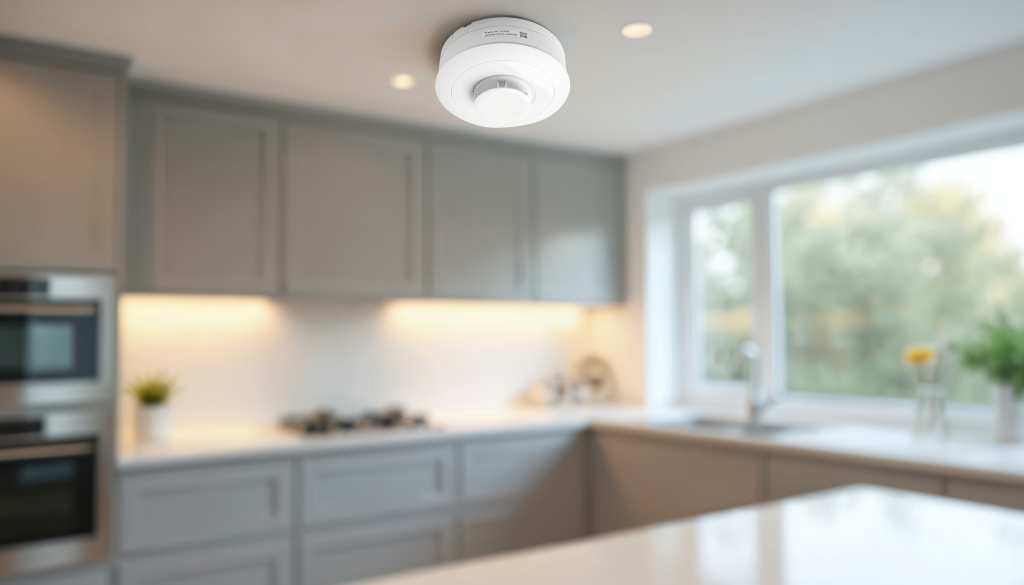
One of the most important safety measures is to install heat and smoke alarms correctly on each floor of your home.
Smoke alarms detect slow, smouldering fires and can be installed in multiple rooms, while heat alarms detect heat from large flaming fires and are normally installed in the kitchen and garage. With Aico’s 3000 Series of single and multi-sensor heat, smoke and carbon monoxide alarms, you can have a connected alarm system that uses fast-acting sensors for full-circle protection.
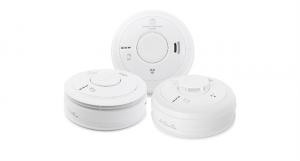
Make sure to regularly test smoke and heat alarms to make sure they’re working correctly.
Candle safety in rented homes
If you’re a tenant living in rented accommodation, candle fire safety is especially important. Candles are a common cause of accidental fires, and damage caused by unsafe use can place residents at risk.
Landlords are responsible for providing working smoke alarms at the start of a tenancy, but tenants should make sure to test alarms regularly and report any faults. Tenants also need to follow safe candle use guidance and avoid placing candles near alarms, furnishings, or escape routes.
If you’re not sure whether candles are permitted in your tenancy or have any other questions, check your tenancy agreement or speak to your landlord.
What to do if a Candle Fire Starts
Candle fires are most likely to start during the night so it’s important to have a fire escape plan, so you know how to evacuate your home in the event of a fire.
In the scenario of a candle fire starting within your home, you should:
- Try not to panic
- Get out, stay out and call 999
- Never attempt to handle the fire yourself, wait for the Fire and Rescue Service to arrive
- If there is smoke, keep low
- Do not waste time collecting valuable belongings
For more advice on where to put smoke alarms in your home and how to test them please visit our home fire safety advice article.
Candle fire safety FAQs
Are candles safe to use in the home?
Candles can be used safely when placed in suitable holders, kept away from flammable materials, and never left unattended. Most candle fires happen due to misuse rather than product faults.
Can I leave candles burning overnight?
No! Candles should always be extinguished before going to sleep. Fires caused by candles often start at night when occupants are less likely to notice early signs. Make sure to double check all candles are extinguished before leaving or going to sleep.
Where should smoke alarms be placed if I use candles regularly?
Smoke alarms should be fitted in circulation spaces such as hallways and landings, and in main living areas. Heat alarms should be used in kitchens to reduce false alarms.
Do candles increase the risk of carbon monoxide?
Candles produce small amounts of carbon monoxide when burning, particularly in poorly ventilated spaces. While the risk is usually low, good ventilation and suitable alarms improve overall safety.