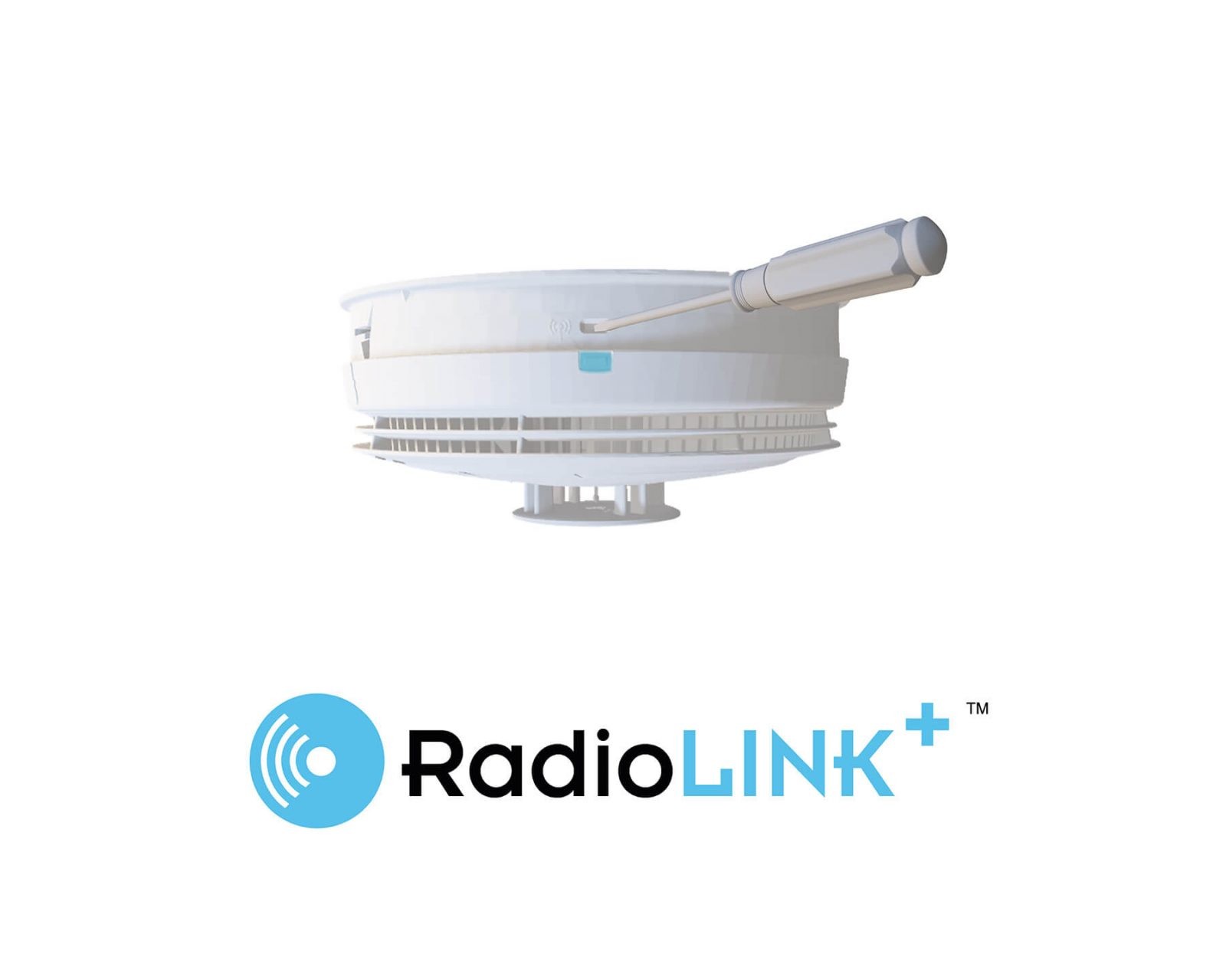
How to set up a SmartLINK, RadioLINK+ and RadioLINK interconnected system (House Coding)
SmartLINK, RadioLINK+ and RadioLINK use Radio Frequency signals for wireless interconnection, making installation quick and simple.
Once you have installed all your RadioLINK products, you will need to set them up in a system to recognise each other and then close this system off to avoid the alarms being triggered by neighbouring systems – we call this House Coding.
This guide explains how to house code SmartLINK, RadioLINK+ and RadioLINK alarm systems so that all devices communicate correctly within a single property.
Quick Reference: House Coding Overview
- Required for all SmartLINK, RadioLINK+ and RadioLINK wireless systems
- Ensures alarms only communicate within the same property
- Prevents accidental activation from neighbouring or nearby systems
- Must be completed after installation and before final testing
- Can be repeated when adding new alarms to an existing system
House Coding Ei3000 SmartLINK Modules, RadioLINK+ devices or Ei168RC RadioLINK Bases
- Step 1 – Ensure you have inserted Ei3000MRF SmartLINK modules into your 3000 Series.
- Step 2 – Push a screwdriver into the House Code slot on the side of the alarm or Ei168RC RadioLINK Base or press the black House Code button located on the back of the alarm for the 600 Series.
- Step 3 – Hold it in until the blue LED comes on solidly, then release.
- Step 4 – Remove the screwdriver, and the blue LED will flash once every 5 seconds (approx.) to indicate that it is in House Code mode and is looking for other alarms.
- Step 5 – Repeat the House Code process in Steps 1-4 above with all the bases or alarms in your system.
- Step 6 – All the bases in the system will start to flash blue. Check that the number of flashes is the same as the number of alarms in the system, e.g. if there are 3 alarms, the blue LED will flash 3 times every 5 seconds on every alarm. Please note, the Ei3030 and Ei3028 will give 2 flashes each.
- Step 7 – Once the correct number of flashes is present on every unit, insert a screwdriver into the House Code slot on the side of one of the alarms or bases, or press the black House Code button until the blue LED comes on solidly, then release.
- Step 8 – The blue LEDs on all units will now stop flashing and the entire system will automatically ‘seal’.
- Step 9 – The alarm system has now been House Coded. Press and hold the test button on each alarm in turn and check that all alarms in the system sound.
Testing confirms that every alarm is correctly linked and that the House Coding process has been completed successfully.
Although we recommend the above procedure for House Coding and sealing a SmartLINK, RadioLINK+ or RadioLINK system, it is worth noting that the system will manually seal itself after 30 minutes once put into House Code mode.
Once sealed, additional alarms cannot join the system unless remote house coding is used or the system is placed back into house code mode.
SmartLINK and RadioLINK+ Additional Features
RadioLINK+ units have an additional ‘remote House Coding’ feature which makes it easier to add new units to an existing system that has already been House Coded
- Step 1 – Push a screwdriver into the House Code slot on one of the existing House Coded units and hold until the House Code LED flashes a green, blue and red tri-colour. This will put all the existing SmartLINK or RadioLINK+ alarms in the system into Remote House Code mode.
- Step 2 – A new alarm can then be added into the system. Put the new unit into House Code mode as described above and again check the number of flashes matches the number of units in the system. Once the number of flashes on all units is correct, seal the system and test as described above.
Further Information
If you are unsure which devices support remote house coding or how to add alarms to an existing system, contact Aico’s Technical Support team for guidance.
We're here to help
Find the information you need in our library of educational and informative resources.
FAQs