Children’s Fire Safety
Fire safety is essential for the well-being of every household and especially important for protecting children, who may not yet recognise fire hazards or know how to respond in an emergency.
According to recent UK government fire statistics there were 271 fire-related fatalities in England in the year ending March 2025, with the majority occurring in dwelling fires.
Teaching children about fire safety (including how to prevent fires and what to do if one breaks out) helps families reduce risk and stay prepared.
Quick Summary: Children’s Fire Safety
- Teach fire safety early using age-appropriate activities
- Use books, worksheets and games to reinforce key messages
- Practise a home escape plan regularly
- Keep matches, lighters and hot appliances out of reach
- Test smoke alarms monthly and use interconnected alarms for full coverage
How to Teach Children About Fire Safety
Children often learn best through repetition, hands-on activities and clear, simple guidance. And what could be more important than learning how to prevent fires and what to do if one happens?
Teaching children about fire safety early helps them recognise dangers, respond calmly in emergencies, and develop safe habits that protect the whole household.
Children’s Fire Safety Activities
A creative approach is required to help young children understand the dangers of fire, whilst making fire safety education fun.
| Age Group | What Children Can Learn | Useful Tools |
| 3–5 years | Recognising fire hazards; understanding “stop, drop, roll” | Storybooks, colouring sheets, simple crosswords |
| 6–9 years | Escape plans, calling 999, identifying safe exits | Worksheets, role-play, supervised home drills |
| 10+ years | Understanding alarms, safe appliance use | Interactive activities, practical demonstrations |
Children’s Fire Safety Crossword
A children’s fire safety crossword can help with becoming familiar with and identifying keywords associated with fire safety. Some crosswords are formatted in a way which gets the child thinking of an answer to a question before searching for the answer in the puzzle – an educational yet engaging way to increase awareness.
Children’s Fire Safety Books
In 2004, the Home Office published Frances The Firefly, a book containing a children’s story about the dangers of fire. Targeted towards 3-7-year-olds, the book follows a family of fireflies when one firefly comes into contact with a box of matches. Uneducated on the risks, the firefly lights the match and tries to fly, but gets hurt by the flame. This causes a multitude of further problems, and the firefly is then educated about fire safety.
Aico’s Fire Safety Worksheet details fire safety tips and problem-solving activities, such as spotting fire hazards and electric hazards. These activities can be coloured in by the child’s own creativity.
Various other children’s fire safety books and activities can be found online.
Key Fire Hazards Children Should Know
Although fires can happen unexpectedly, here are some of the most common household fire hazards that children should be aware of:
- Matches and lighters
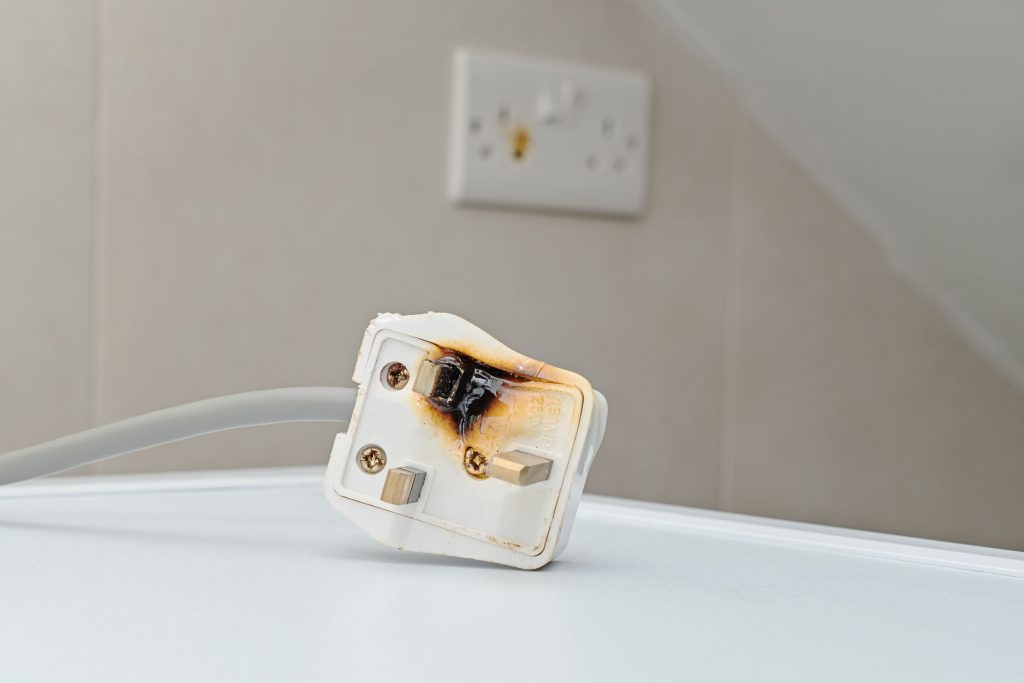
- Overloaded electrical sockets
- Unattended cooking
- Plug-in heaters
- Candles and open fires – read more about burning candles safely in the home
- Hair appliances left on or to cool
- Fireworks
For more information on the above, read our in-depth home fire safety advice.
Fire Escape Plans
Parents and carers should explain a home evacuation plan and practise it regularly. Rehearsing the plan can be made fun, helping it stay memorable for children.
A strong escape plan should include:
- A clear main escape route
- A second route in case the first is blocked
- Escape paths kept free from obstacles
- A safe outdoor assembly point at a distance from the home
For family members with sight, hearing or mobility impairments, additional measures may be required, and it’s really important to consider proper fire safety for disabled residents.
Safety Reminders to Reduce the Risk of Fire
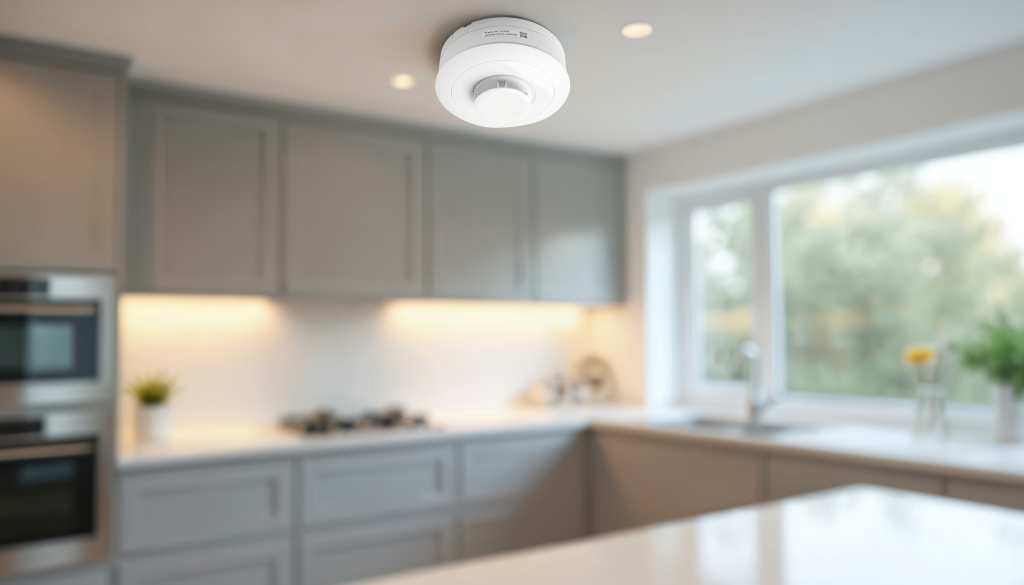
When it comes to home life safety products, it is essential to have trust in the home’s devices to appropriately alert everyone in the house when a fire is present. Start with making sure the smoke alarms and heat alarms in your home are good quality, and think about where to site alarms around the house.
| Hazard | Risk | How to Reduce It |
| Matches/lighters | Burns, accidental fires | Store out of reach; use child-proof containers |
| Hair appliances | Burns, ignition hazards | Cool before storage; keep cords secure |
| Sockets | Overload or short circuits | Avoid extension overloads; use socket covers where appropriate |
| Open fires | Sparks and burns | Fit fire guards; maintain chimneys |
| Cooking equipment | Grease fires, burns | Never leave pans unattended; keep children out of the kitchen when cooking |
There are a few things to be mindful of and remember to reduce the risk of a fire in the household.
- Make sure all appliances are turned off whenever they are not in use.
- Ensure heat-operating hair appliances are stored safely and switched off when finished.
- Keep matches and lighters out of reach of children. Cigarettes should be completely extinguished. Find out more information on smoking fire safety here.
- Don’t overload electrical power sockets and make sure these are not in reach of small children.
- Ensure all open fireplaces are child-proof with suitable and effective guards in place. Discover more chimney fire safety tips here.
- Test smoke alarms once a month to ensure they are in proper working condition (make sure you know how to test alarms properly)
Recommended Aico Product for Family Homes
Choosing the right alarms is an important part of keeping children and families safe. The following alarms are recommended by our team and offer reliable protection across the home:
Smoke Alarms
- Ei3016 Optical Smoke Alarm
Ideal for hallways, landings and living areas. Features dust compensation and AudioLINK+ for easy status checks. - Ei650i Battery Optical Alarm
A battery-powered option with a sealed 10-year battery and AudioLINK+. Suitable for areas where mains power isn’t available.
Aico’s 3000 Series provides full property coverage from one range, consisting of both single and multi-sensor fire and carbon monoxide alarms. These mains-powered devices contain a 10-year rechargeable lithium battery back-up, which is used in the event of a mains power loss, meaning continuous coverage even with restricted power. By wirelessly interconnecting these alarms with Ei3000MRF modules, when one alarm sounds, they all sound.
Heat Alarms
- Ei3014 Heat Alarm
Designed for kitchens and garages. Detects heat rather than smoke to prevent false alarms from cooking fumes. - Ei630iRF Battery Heat Alarm
A battery-powered alternative for kitchens and garages, where wiring is not available.
Carbon Monoxide (CO) Alarms
- Ei3018 Carbon Monoxide Alarm
Provides CO detection with a 10-year rechargeable battery back-up and AudioLINK+. - Ei208 Battery Carbon Monoxide Alarm
A standalone battery unit with a sealed 10-year battery and AudioLINK+. - Ei208WRF Radio Frequency Carbon Monoxide Alarm
Includes wireless interconnection capability for whole-home alerts, as well as AudioLINK+.
Environmental Monitoring Sensors
HomeLINK Environmental Sensors
Measures temperature, humidity and CO₂ levels, helping families maintain healthy indoor air quality and identify potential issues early.
Conclusion
Children should be aware of fire safety and risks just as much as adults. The more awareness the whole household has on how to prevent a fire and the procedures during a home evacuation, the less risk there is for there to be a casualty as a result.
Browse Aico’s fire safety articles for information and advice about home life safety and the siting, testing and replacing of Aico alarms.
FAQs
What is the earliest age to start teaching fire safety?
Basic fire safety concepts can be introduced from age 3 using simple stories, colouring sheets and supervised activities. It’s recommended to practise a fire escape plan and update routines at least twice a year, and more frequently with young children, to build confidence.
How can I help children understand what a smoke alarm sounds like?
Use monthly alarm tests as teaching moments. Explain the purpose of the alarm and let children hear it in a calm, controlled scenario.
What is the best type of alarm for family homes?
Aico recommends interconnected multi-sensor alarms, as they provide faster, more reliable detection and ensure alerts can be heard throughout the home. Make sure to use the right heat, smoke and CO alarms throughout the home.