Heat Alarms
Increase fire safety in a residence by installing a high-quality heat alarm. Heat alarms are designed to react to heat and not smoke, providing a warning when a substantial increase in temperature is detected, which may indicate a starting fire.
We promise to deliver the highest quality heat alarm, maintaining UK Fire standards, regulations & legislation. Heat alarms are intended for use in kitchens and garages as they offer increased resistance to nuisance alarms from cooking fumes and smoke. Our range of battery-powered and mains-powered heat alarms will alert you of any potential risks in a property.
Ei3014 Heat Alarm
3000 Series
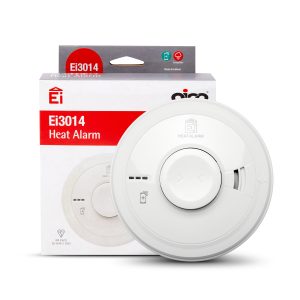
Rooms:
Key features:
- Contains a fast response thermistor heat sensor
- Mains powered with 10-year rechargeable lithium cell back-up
Ei630iRF RadioLINK+ Battery Heat Alarm
600 Series
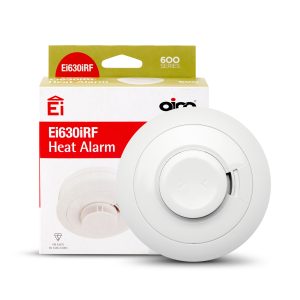
Rooms:
Key features:
- Heat sensor – responds to heat build-up from large flaming fires
- RadioLINK+ wireless interconnection
Ei144e Heat Alarm
140e Series
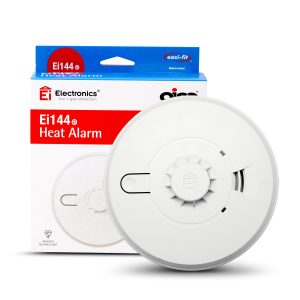
Rooms:
Key features:
- Heat sensor – responds to heat build-up from large flaming fires
- Mains powered with 9V Alkaline battery back-up
Heat Alarm FAQs
Your questions answered. Browse our FAQs to find the information you are looking for.
Are heat alarms compliant with Scottish legislation?
Yes, Aico heat alarms are fully compliant with the requirements of the Scottish fire and smoke alarm legislation. This legislation specifies that a heat alarm must be installed in the kitchen with smoke alarms in other key rooms of the property. Aico heat alarms meet these standards and, when interconnected with our optical or multi-sensor smoke alarms, provide full coverage in line with legislation and BS 5839-6.
What is a rate-of-rise heat detector?
A rate-of-rise heat alarm is a type of sensor that is triggered when it senses a rapid increase in temperature over a short period, rather than when a fixed temperature is reached. Aico heat alarms are fixed temperature devices, and are activated when the air around them reaches a set threshold temperature (58°C). This ensures consistent, reliable performance in kitchens and garages where car fumes or steam from cooking could cause nuisance alarms with smoke detectors.
Can I silence a false heat alarm?
Yes, Aico heat alarms can be silenced if triggered unnecessarily. Simply push the hush button on the alarm, and it will temporarily silence the unit and any interconnected alarms. The alarm will automatically stop activating once the environment returns to normal, ensuring continued protection without the need to disconnect or remove the alarm.
What baseplate do I need to install my heat alarm?
All Aico heat alarms come with their own Easifit base, so no additional purchase is required for standard installation. If you are replacing an existing Aico alarm, the new unit will fit directly onto the same Easifit base, allowing quick swap-outs without the need for re-wiring.
For SmartLINK installations, the Ei3000 series Heat Alarms use the Ei3000MRF SmartLINK module, which fits into the alarm itself while still using the supplied Easifit baseplate.
For RadioLINK installations, 140e Series alarms can be used with the Ei168RC RadioLINK Base, providing wireless interconnection between alarms.
Always ensure that the correct Aico base is used to maintain compatibility, compliance, and reliable operation
What is the difference between a smoke alarm and a heat alarm?
A smoke alarm is designed to detect smoke particles in the air, providing early warnings of fires in living areas, bedrooms, hallways and landings. A heat alarm responds to a rise in temperature when a specific threshold is reached, making it the perfect fire safety product for kitchens and garages.
For compliance and best practice under BS 5839-6, Aico recommends installing a combination of interconnected smoke and heat alarms across the property.
What temperature do heat alarms go off?
Heat alarms are triggered at a preset temperature, often around 135°F to 190°F (57°C to 88°C), depending on the model. This ensures they activate in the presence of significant heat associated with a fire.
Where do you put a heat alarm?
Place heat alarms in areas where smoke alarms may be prone to false alarms, such as kitchens or garages. Install them on the ceiling, away from heat sources, and follow the manufacturer’s guidelines.
Is a heat alarm a legal requirement?
Whether heat alarms are a legal requirement varies by jurisdiction and building codes, but they are often recommended in areas where smoke alarms may be prone to false activations, such as kitchens.

Can’t find what you’re looking for?
Email enquiries@aico.co.uk for more information